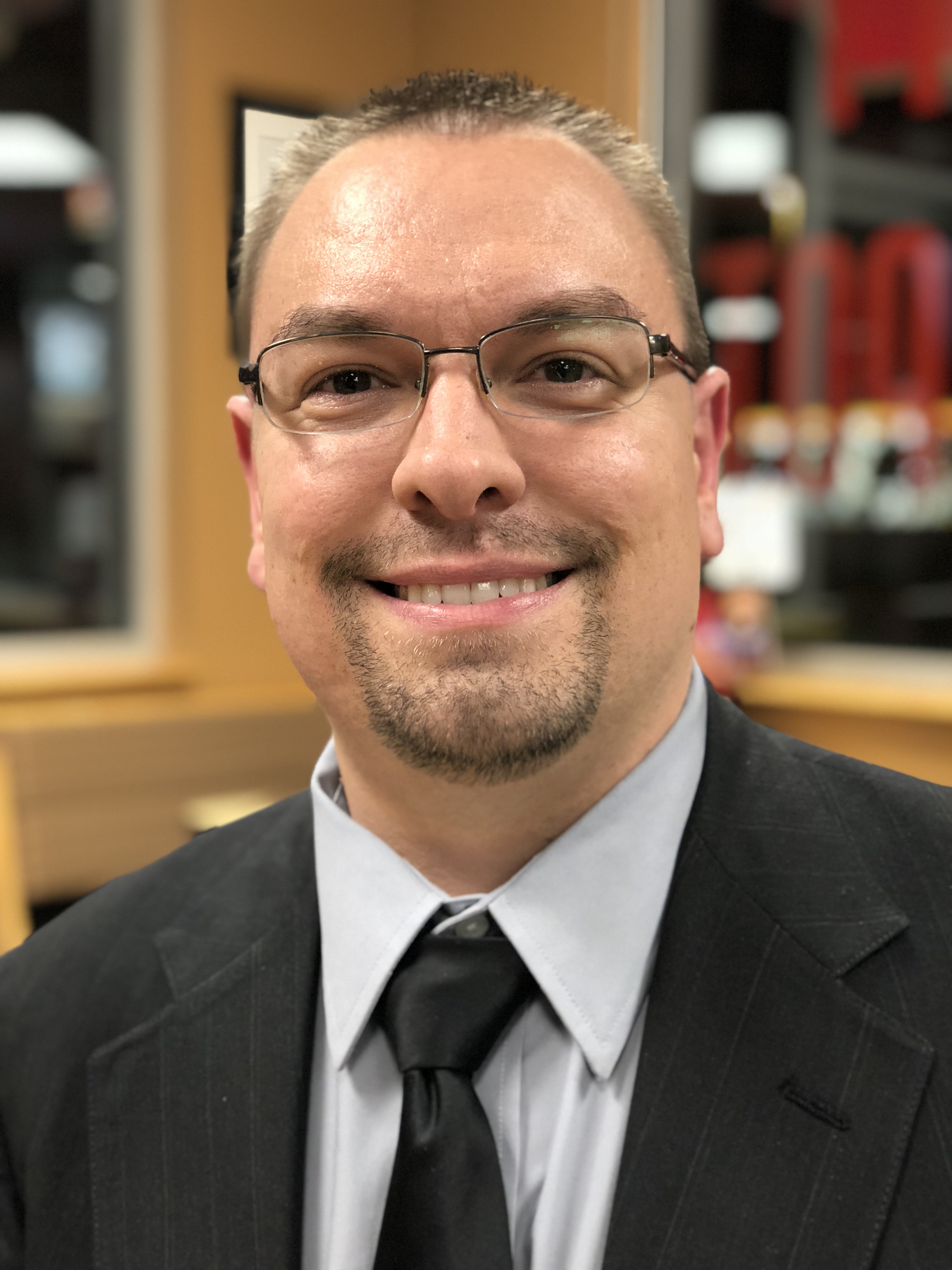
Hi, I'm James Dean, Lead Systems Engineer at Centene Corporation with 10+ years of experience automating enterprise infrastructure at scale. I'm passionate about bridging the gap between development and operations, turning manual multi-hour processes into self-service automated workflows.
At the core of my skill set lies my expertise in the Ansible Automation Platform and AI-driven automation. I pioneered AAP adoption for the Windows Server team and am currently building Model Context Protocol (MCP) tool servers that enable AI agents to interact with enterprise platforms like ServiceNow, GitLab, Jira, and Tanium — bringing intelligent automation to complex multi-system workflows.
I'm a strong advocate for knowledge sharing and have trained and mentored many colleagues on automation best practices. My goal is to empower teams to embrace both traditional and AI-powered automation, fostering a culture of continuous improvement and operational excellence.
September 18, 2023
September 28, 2022
April 29, 2021
February 15, 2016
March 2024
March 2024
March 2024
February 2024
Lead Systems Engineer• June 2022 - Present
Senior Systems Engineer• March 2021 - June 2022
Systems Engineer• December 2019 - March 2021
Systems Administrator• February 2017 - December 2019
Senior Information Technology Support Specialist• April 2016 - February 2017
Information Technology Support Specialist• December 2014 - April 2016
Information Technology Field Service Technician• April 2014 - November 2014
Information Technology Support / Sales• January 2013 - April 2014
Technical Arts Producer / Systems Administrator• June 2012 - January 2013
Audio Engineer / Owner• September 2008 - Present
Ansible, ServiceNow, Event Driven Ansible• June 2026 - Present
Developing the ServiceNow integration for Event Driven Ansible (EDA) 2.6, enabling real-time event-driven automation triggered by ServiceNow workflows. This closes the loop between IT service management and infrastructure automation — incidents, changes, and catalog requests automatically trigger Ansible playbooks in real time, reducing mean time to resolution and eliminating manual orchestration across cloud and on-premises environments.
Python, Model Context Protocol, AI Agents• May 2026 - Present
Architected a suite of MCP (Model Context Protocol) tool servers in Python, integrating 11+ enterprise platforms into an AI-driven automation framework. Enabled AI subagents to autonomously execute cross-platform workflows — from creating ServiceNow change requests to querying Tanium endpoints to managing GitLab pipelines — reducing manual context-switching and accelerating team productivity.
Selenium, ServiceNow, Python• April 2026 - May 2026
Built a Selenium-based automated testing framework for the Service Design and Infrastructure Request process in ServiceNow, replacing a manual end-to-end testing process that previously took hours to set up and execute. Reduced regression testing time from hours to minutes while increasing test coverage and reliability — enabling the team to validate complex multi-step workflows (catalog submissions, approval chains, task routing, and fulfillment) with confidence before every production deployment.
Terraform, AWS, Azure, Ansible, ServiceNow• December 2025 - January 2026
Collaborated on creating standardized Windows Server images for AWS and Azure using Terraform, with ServiceNow triggering Ansible Automation Platform templates to enable fully automated server provisioning across cloud environments. Transformed what was previously a multi-day, multi-team manual process into a self-service workflow — users submit a ServiceNow request and receive a fully configured, policy-compliant server without human intervention, dramatically reducing delivery time and operational overhead.
Ansible, ServiceNow, AAP• June 2023 - September 2023
Designed and implemented end-to-end automation of the Windows Server patching change request process in ServiceNow using Ansible Automation Platform (AAP), reducing monthly effort from 10+ hours of manual work to approximately 45 minutes — a 90%+ reduction in operational overhead. This freed the team from repetitive change management toil, improved compliance accuracy, and ensured consistent adherence to SOX/SOC audit requirements across every patch cycle.